
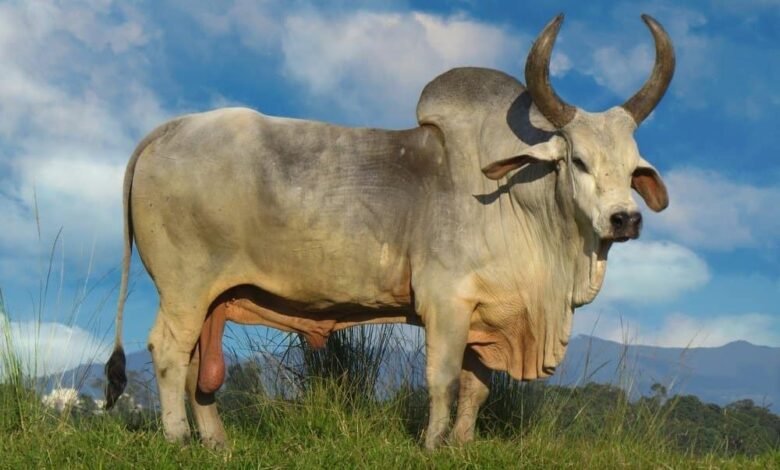

If you searched for zeebo cow, you may be looking for information about a particular type, breed, or name used for cattle. The term can be confusing because “Zeebo cow” is not a widely recognized official cattle-breed name in major livestock references. In some online searches, unusual cattle names can also come from local usage, social-media posts, farm names, or misspellings of another cattle term.
That makes it important to separate verified cattle information from claims that are difficult to confirm.
This guide explains what the term zeebo cow may refer to, how to identify the cattle you have seen, and what characteristics matter when evaluating cattle. It also covers feeding, housing, health, breeding, common mistakes, and frequently asked questions.
What Does Zeebo Cow Mean?
The phrase zeebo cow does not have a universally established definition as a recognized cattle breed.
Cattle breeds normally have documented names, breed associations, recognizable physical characteristics, and established breeding records. Examples include Angus, Hereford, Holstein, Jersey, Brahman, and several regional breeds.
When a term such as zeebo cow appears online, its meaning may depend on the context where it was used.
It could refer to:
- A local name for a particular cow
- A farm or owner’s name
- A social-media nickname
- A spelling variation of another cattle term
- A crossbred animal
- A reference to a specific individual cow rather than a breed
Therefore, it would be misleading to claim that every animal described as a zeebo cow belongs to one standardized breed.
Is Zeebo Cow a Recognized Cattle Breed?
There is an important distinction between a breed name and an informal animal name.
A recognized cattle breed generally has a defined genetic history and documented breed characteristics. A cow can also have a nickname that has nothing to do with its breed.
For example, a farmer may give an individual animal a distinctive name. That name can become popular online without representing an official breed.
So, if you encounter the term zeebo cow, check the original context before assuming that it describes a breed.
Why the Difference Matters
Breed identification affects expectations about:
- Adult size
- Milk production
- Beef performance
- Heat tolerance
- Feed requirements
- Coat characteristics
- Reproductive performance
- Management needs
A nickname alone cannot establish these characteristics.
How to Identify the Cow Behind the Name
If you have seen a zeebo cow in a photograph or video, physical characteristics can provide useful clues.
However, appearance alone is not always enough to identify a breed accurately.
Look at the Body Shape
Observe the animal’s overall build.
Beef cattle often have a muscular body, broad hindquarters, and a strong frame. Dairy cattle usually have a body structure associated with milk production, including a more developed udder and a different body profile.
Crossbred cattle can show characteristics from several breeds.
Examine the Horns
Horn shape can sometimes provide clues.
Some cattle naturally have horns, while others are naturally polled. Many cattle are also selectively bred or dehorned, so horns should not be used as the only identification method.
Check the Coat
Color and markings can help narrow down possibilities.
Common cattle colors include:
- Black
- Red
- Brown
- White
- Gray
- Cream
- Mixed patterns
Still, coat color is not sufficient for confirming a breed.
Consider the Location
The location where the animal is raised can provide useful context.
Cattle breeds vary considerably between regions because farmers select animals according to climate, feed availability, production goals, and local market demand.
A cow described online as a zeebo cow may therefore have a completely different background depending on where the term originated.
Zeebo Cow and Crossbred Cattle
One reason unusual cattle names can be difficult to identify is the growing use of crossbreeding.
Farmers often combine breeds to achieve desirable characteristics.
For example, crossbreeding may aim to combine:
- Heat tolerance
- Milk production
- Growth rate
- Disease resistance
- Fertility
- Meat quality
- Adaptability
A crossbred animal may not have the appearance of one specific pure breed.
This is especially important in areas where farmers select cattle for practical performance rather than maintaining a strict breed standard.
Why Cattle Breed Identification Matters in 2026
Modern cattle management increasingly focuses on measurable performance rather than appearance alone.
Farmers can evaluate animals using records covering:
- Birth weight
- Growth
- Fertility
- Calving history
- Milk yield
- Feed efficiency
- Health records
- Weight gain
- Reproductive performance
These records can be much more useful than a nickname or an internet description.
For someone researching zeebo cow, the best approach is therefore to identify the animal’s actual breed or genetic background whenever possible.
Feeding Requirements for Cattle
Regardless of the name used for an animal, proper nutrition is central to cattle health.
A cattle diet normally needs appropriate amounts of energy, protein, fiber, minerals, vitamins, and water.
Forage Is Important
Grass, hay, silage, and other suitable forage can form an important part of cattle diets.
The exact ration depends on the animal’s age, size, production purpose, pregnancy status, and available feed.
A growing calf has different nutritional requirements from a mature dairy cow.
Clean Water Matters
Fresh water should always be available.
Water requirements can increase during hot weather, lactation, and periods of higher feed intake.
Poor access to water can affect animal health and productivity.
Avoid Sudden Feed Changes
One common management mistake is changing cattle feed too quickly.
Dietary changes should generally be introduced gradually. Sudden changes can interfere with normal digestion and may create health problems.
A livestock nutritionist or veterinarian can help develop a ration appropriate for a specific herd.
Housing and Comfort
Good housing protects cattle from extreme weather while providing enough space for normal movement.
Important considerations include:
- Adequate ventilation
- Dry resting areas
- Clean drinking water
- Appropriate shade
- Safe fencing
- Clean feeding areas
- Proper drainage
In hot climates, shade and airflow become particularly important.
Heat stress can affect cattle behavior, feed intake, reproduction, and productivity.
Health Care for Cattle
Regular health management is essential whether an animal is called a zeebo cow, a crossbreed, or a recognized breed.
Farmers should maintain a practical health program with veterinary guidance.
Important areas include:
Vaccination
Vaccination programs vary according to region and disease risk.
Local veterinary advice is important because disease prevalence differs between countries and farming systems.
Parasite Control
Internal and external parasites can affect cattle performance.
Farmers should monitor animals rather than relying on unnecessary or routine medication without professional guidance.
Hoof Care
Foot and leg problems can reduce movement and feeding activity.
Regular observation can help identify problems early.
Body Condition
Body condition provides useful information about nutrition and overall management.
Very thin or excessively over-conditioned cattle may require changes to their feeding or management program.
Breeding Considerations
Successful cattle breeding involves more than selecting an animal based on appearance.
Farmers may consider:
- Fertility
- Pedigree
- Growth
- Milk production
- Calving history
- Disease resistance
- Adaptability
- Temperament
- Production records
For crossbred cattle, farmers may also consider the strengths of the breeds used in the cross.
Do Not Select Breeding Animals From Appearance Alone
A visually impressive animal is not automatically a superior breeding animal.
Reliable records provide stronger evidence.
This is particularly relevant when buying cattle from online sellers or social-media marketplaces.
Buying a Cow Advertised as a Zeebo Cow
If someone is selling an animal using the term zeebo cow, ask for specific information.
Do not rely only on the name.
Ask for the Breed
Ask the seller what breed or cross the animal actually is.
If the animal is crossbred, ask which breeds are involved.
Request Health Information
Ask about:
- Vaccination history
- Previous illnesses
- Parasite treatment
- Veterinary examinations
- Reproductive history
Check Production Records
For a dairy animal, milk records can be particularly useful.
For beef cattle, growth and weight information may be more relevant.
Inspect the Animal Personally
If possible, examine the animal before purchasing.
Look at its:
- Eyes
- Coat
- Body condition
- Legs
- Hooves
- Breathing
- Movement
- Udder
- General behavior
A veterinarian can provide a more reliable pre-purchase assessment.
Common Mistakes When Researching Zeebo Cow
The unusual nature of the term creates several potential mistakes.
Mistake 1: Assuming It Is an Official Breed
A distinctive name does not automatically represent a recognized breed.
Always verify the terminology.
Mistake 2: Trusting Viral Videos
A viral cattle video may contain an incorrect breed identification.
Popularity is not proof of accuracy.
Mistake 3: Judging Quality From Appearance
Large size, unusual horns, or attractive coloring does not automatically mean an animal has superior production characteristics.
Mistake 4: Ignoring Local Conditions
A cattle type that performs well in one environment may require different management somewhere else.
Climate, forage, water availability, and disease pressure all matter.
Mistake 5: Buying Without Records
A seller’s description should not replace health, breeding, or production records.
Frequently Asked Questions About Zeebo Cow
1. Is zeebo cow an official cattle breed?
The term zeebo cow is not broadly established as the official name of a standardized cattle breed. It may be an informal name, local term, nickname, or variation of another cattle-related term.
2. What does a zeebo cow look like?
There is no single verified appearance that can be assigned to every animal called a zeebo cow. If you have a specific animal in mind, its breed should be identified using its documented background and physical characteristics.
3. Is zeebo cow good for milk?
There is not enough basis to make a general milk-production claim about all animals called zeebo cows. Milk production depends on the animal’s actual breed, genetics, nutrition, health, age, and management.
4. Is zeebo cow good for meat?
The same principle applies to beef production. Meat performance depends on genetics, growth rate, nutrition, age, and management rather than the informal name alone.
5. Can zeebo cows live in hot climates?
Climate adaptability depends on the animal’s actual genetic background. Cattle with suitable heat tolerance can perform well in hot environments when they have adequate shade, water, ventilation, and nutrition.
6. How can I identify a zeebo cow?
Start with the animal’s documented breed, parentage, location, and registration information if available. Physical characteristics can help but should not be treated as definitive proof.
7. Should I buy a cow advertised as a zeebo cow?
Before buying, verify what the seller means by the term. Check the animal’s breed, health history, age, reproductive status, production records, and veterinary condition rather than purchasing based on the name alone.
8. Why is the term zeebo cow difficult to verify?
The phrase does not have a widely standardized definition in mainstream cattle-breed terminology. Online usage can therefore refer to different animals or informal descriptions.
Final Thoughts on Zeebo Cow
The term zeebo cow can be interesting to search for, but it should not automatically be treated as the name of an officially recognized cattle breed.
The most reliable way to understand a particular animal is to look beyond its name. Breed history, parentage, physical characteristics, health records, production data, and management conditions provide much stronger information.
If you are researching a cow you saw online, compare the original description with reliable livestock information before accepting a breed claim. If you are considering buying one, ask for documentation and have the animal examined by a qualified livestock professional.
Ultimately, good cattle management depends less on an unusual name and more on genetics, nutrition, health, housing, breeding, and careful record keeping.
